
Information
Red Flag Awareness aims to educate teenagers about the signs and prevention of domestic abuse in adolescent relationships. As an unincorporated association, we are dedicated to raising awareness and providing essential, age appropriate resources. We challenge common misconceptions, help young people understand the red flags, and guide them on how and where to seek help.
Unmasking the Myths
Many teenagers hold misconceptions about what constitutes a healthy relationship. It's crucial to debunk these myths to foster healthier and respectful connections.
Some Common Misconceptions Include:
Uncontrollable jealousy is love/care:
This is a common trait specifically for women to look for in men, however, this can get out of control and become extremely unhealthy.
Controlling outfits is a healthy possession:
This may be misunderstood as a sign of admiration. However we need to understand together that controlling outfits is not healthy! We are allowed to wear what we wish.
Emotional avoidance is acceptable:
The more couples ignore the problems they have in their relationship, the more resentment builds. This can lead to either party saying things they don't mean and emotional pain being caused. Healthy relationships involve open and respectful communication.
Silent resentment is normal:
Silently resenting your partner is not normal and may lead to passive aggressive comments and weaponising incompetence.
Pressure for sexual intimacy is expected:
Some people may believe pressure to pleasure your partner is normal due to 'human tendencies', however, this is not normal and should not be expected or tolerated. Consent, comfort and mutual respect are essential in all relationships.
Boundaries go unrespected:
As a partnership, you two together should set and respect boundaries and if one person breaches these, this can lead to an unhealthy relationship
Signs of an Abuser
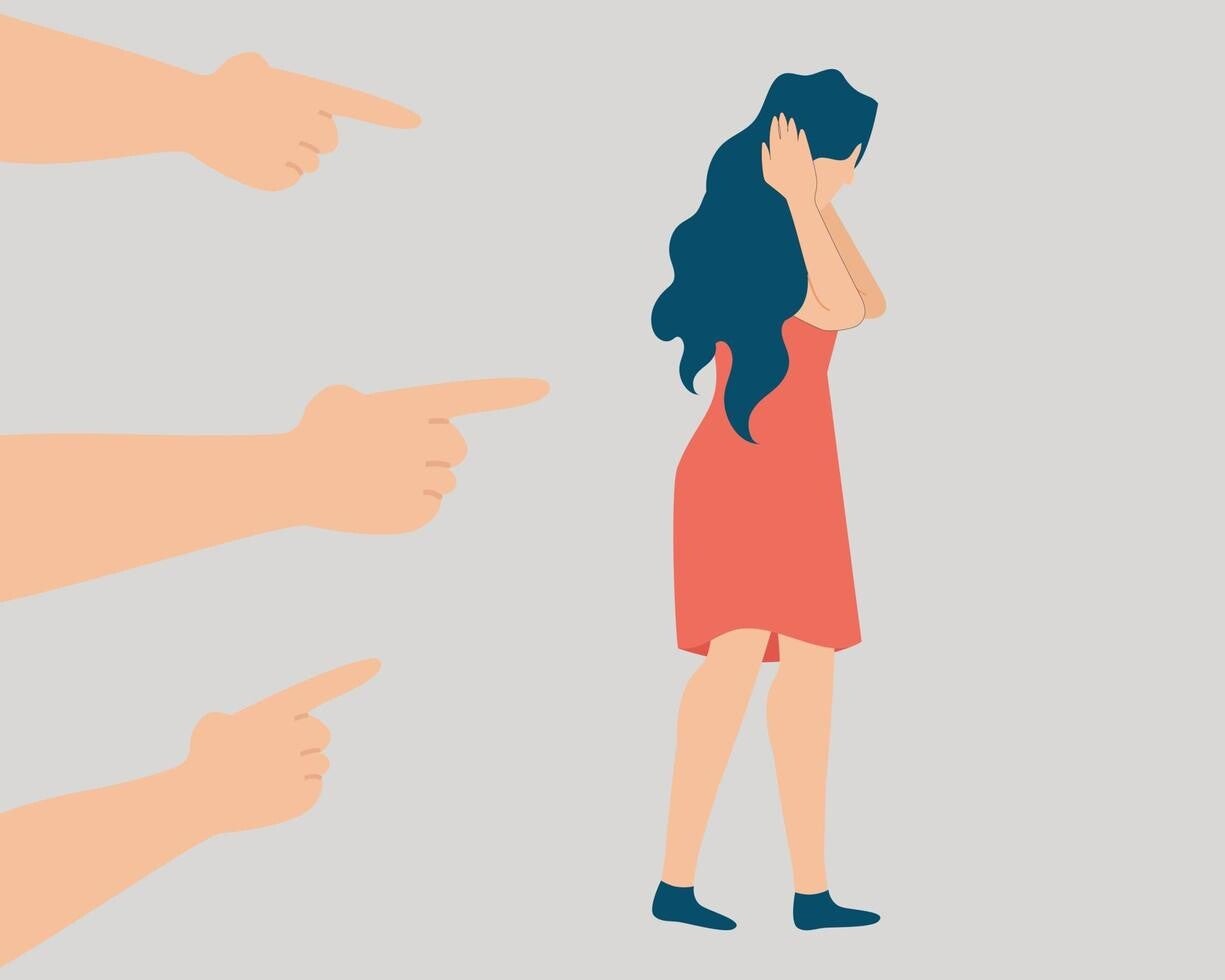
There are often early warning signs of abusive behaviour that can appear at the beginning of a relationship. These signs are sometimes overlooked or misunderstood, which is why recognising them early is so important. Addressing concerns sooner can help prevent harm and support healthier relationships.
Some common warning signs include:
- Light controlling behaviour - Abusers may try to control certain aspects of their partners lives, for example, who they see, what they wear and how they choose to spend their time. This may be mistaken as concern or protection at the beginning of a relationship but could potentially quickly turn malicious and manipulative.
- Extreme jealousy - A certain amount of jealousy in a relationship may be normal. If the jealousy is extreme and irrational this could be a red flag and may lead to accusations made to distance them from friends and family.
- Isolation - An abuser may try to isolate a victim from any support groups so they are less likely to reach out for help.
- Emotional manipulation - The abuser could try to make the victim responsible for the abusers feelings to diminish their sense of self.
- Verbal abuse - Name-calling and other forms of verbal abuse may be a sign of an abuser.
The Key Takeaway
If you remember only one thing from this page, let it be this: people may show an 'ideal' relationship that is in reality toxic. Remember the signs and avoid people displaying these behaviours. Recognise that what appears attractive can often mask underlying toxicity and insecurity. We need to acknowledge the signs and address them to protect ourselves. Stay vigilant and prioritise your well-being.
Taking Action
After reading this page, we hope you will take specific actions to safeguard yourself and your peers:
- Anyone suffering in a relationship, either romantic or at home, seeks help.
- Everyone reading this leaves knowing the signs to avoid when entering a relationship in the future.
- Anyone who may think these traits are 'attractive' comes to understand that they are actually toxic.
Need Help or Further Advice?
If you're concerned about your relationship or someone you know, resources are available. Don't hesitate to seek guidance and support.